


At its January 15, 2026, meeting, Rochester City Council’s People, Parks & Public Works Committee members received an inspiring and thought‑provoking update on Rochester’s ongoing efforts to become an Age Friendly, Livable Community.
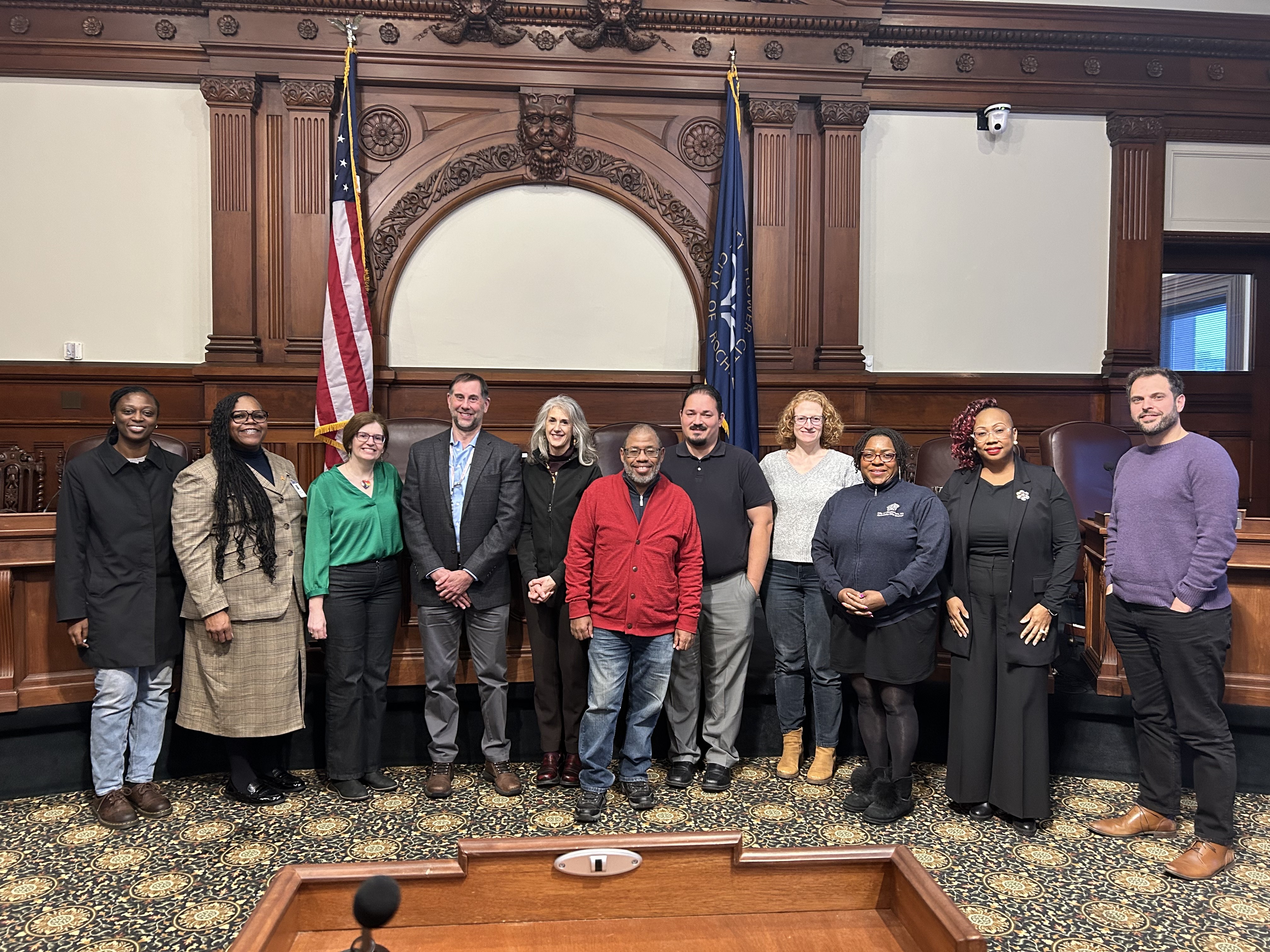 “Age-friendly planning isn’t about creating programs for older adults — it’s about building a more livable, connected, and equitable Rochester for residents of every age.”
Melissa Wendland, director of strategic initiatives at Common Ground Health and the Rochester RHIO, shared progress from the Monroe County Aging Alliance (MCAA)—a powerful collaboration between the City of Rochester, Monroe County, and the United Way of Greater Rochester and the Finger Lakes.
The Alliance’s mission is both simple and ambitious: through collective action, create a community where all people can age well.
Wendland reminded councilmembers that Rochester’s Age Friendly work began more than 12 years ago and has steadily expanded. Today, the Alliance includes over 26 partner organizations, representing government agencies, nonprofits, health systems, and funders committed to supporting older adults.
In 2019, the City and County were accepted into the AARP National Network of Age Friendly States and Communities—a milestone that launched a coordinated effort to embed age‑friendly principles into local planning. The Alliance worked closely with the City’s ROC 2034 planning teams to ensure that age‑friendly strategies were reflected throughout the comprehensive plan and reinforced in the Age Friendly Action Plan.
Rochester’s participation in the national AARP network places us among communities proactively preparing for demographic change. Today, more than one‑quarter of Monroe County residents are over age 60, and many face economic hardship. Wendland emphasized that that trajectory will continue over the next 15 years and intentional planning is essential to ensure residents of every generation can thrive.
The Alliance is currently focused on three priority areas:
-
Addressing ageism
-
Integrating age‑friendly planning into every municipality’s comprehensive plan
-
Confronting older‑adult poverty
Local surveys and focus groups show that most older adults want to age in place, remaining in their homes and neighborhoods. Achieving this requires coordinated planning across City departments and sustained partnership with the MCAA.
Key indicators to watch
Wendland encouraged councilmembers to explore the AARP Livability Index, which highlights the core elements of a livable community. She noted that Rochester’s scores are declining, with several areas requiring attention:
-
Healthcare access: Workforce shortages are limiting access and increasing economic strain.
-
Housing: Rising costs, limited multifamily options, and an aging housing stock make it difficult for older adults to remain in their homes.
-
Transportation: Reliable, accessible transportation remains a critical need for independence and social connection.
At the conclusion of her presentation Councilmembers praised Wendland and MCAA for their work, followed by several questions. When asked what a “magic wand” solution might address, Wendland pointed to poverty reduction and lowering housing costs as the most urgent needs.
Older adults strengthen our community!
Wendland closed by reminding the committee that older adults are essential to the fabric of Rochester. They are:
-
Voters
-
Taxpayers
-
Volunteers
-
Childcare providers
-
Caregivers for both older relatives and grandchildren
She highlighted a municipality that has begun hiring older adults in schools, offering income, social connection, mentorship opportunities, and improved well‑being. Expanding similar programs locally could help reduce isolation—an issue of growing concern nationally.
Wendland encouraged City Council to continue integrating agefriendly principles into zoning, parks planning, transportation decisions, and capital projects. She emphasized that agefriendly design benefits everyone—not only older adults—and encompasses all sectors of our community.